
Understanding 2nd Mortgages: The Ultimate Guide for Canadian Homeowners
SC
Understanding second mortgages is essential for Canadian homeowners looking to leverage the equity in their homes. Whether you're considering renovations, consolidating debt, or making a large purchase, a second mortgage can be a valuable financial tool.

What is a Second Mortgage?
A second mortgage is a loan taken out against the equity in your home, which serves as collateral. Unlike your primary mortgage, this loan is "second" in priority, meaning the lender will be paid after the primary mortgage lender in case of default.
Second mortgages come in two main types: home equity loans and home equity lines of credit (HELOCs). Both allow you to access your home's equity, but they function differently.
Home Equity Loan vs. HELOC
A home equity loan provides a lump sum of money with a fixed interest rate and repayment term. This option is ideal if you need a specific amount for a one-time expense. In contrast, a HELOC works like a credit card, offering a revolving line of credit with a variable interest rate. It provides flexibility if you need funds over time.
Benefits of a Second Mortgage
Second mortgages offer several advantages. They typically have lower interest rates compared to personal loans or credit cards, making them a cost-effective option for borrowing. Additionally, the interest paid might be tax-deductible, depending on your circumstances.
These loans also allow you to access substantial sums, which can be used for major expenses like home renovations, education, or debt consolidation.
Potential Risks
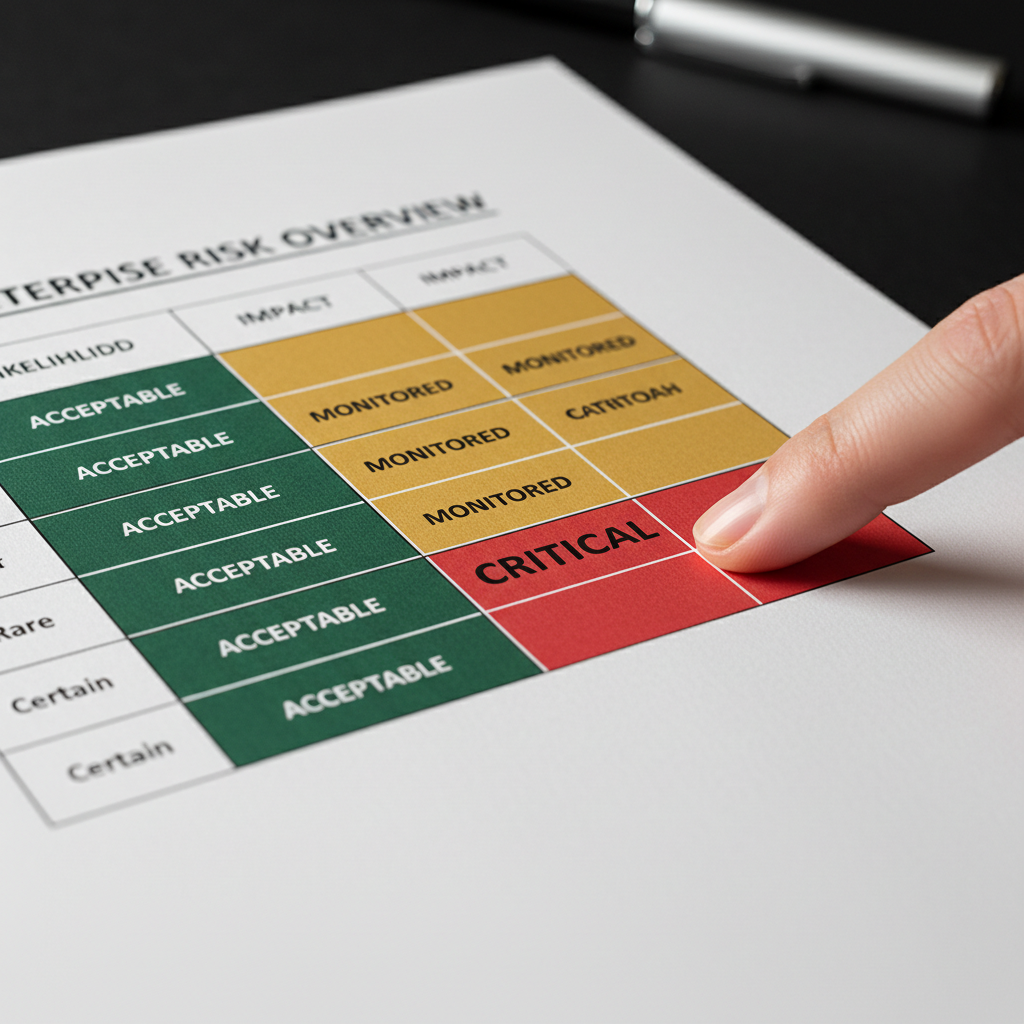
Despite their benefits, second mortgages come with risks. Since they are secured against your home, failing to meet repayment obligations could lead to foreclosure. It's crucial to assess your financial situation and ensure you can handle additional debt responsibly.
How to Qualify for a Second Mortgage
Qualifying for a second mortgage involves several factors. Lenders will assess your home's equity, credit score, income, and debt-to-income ratio. A strong financial profile increases your chances of approval and may secure better interest rates.
It's advisable to shop around and compare offers from different lenders to find the best terms.
Steps to Take Before Applying
- Evaluate your financial situation to determine if a second mortgage is right for you.
- Check your credit report and address any issues.
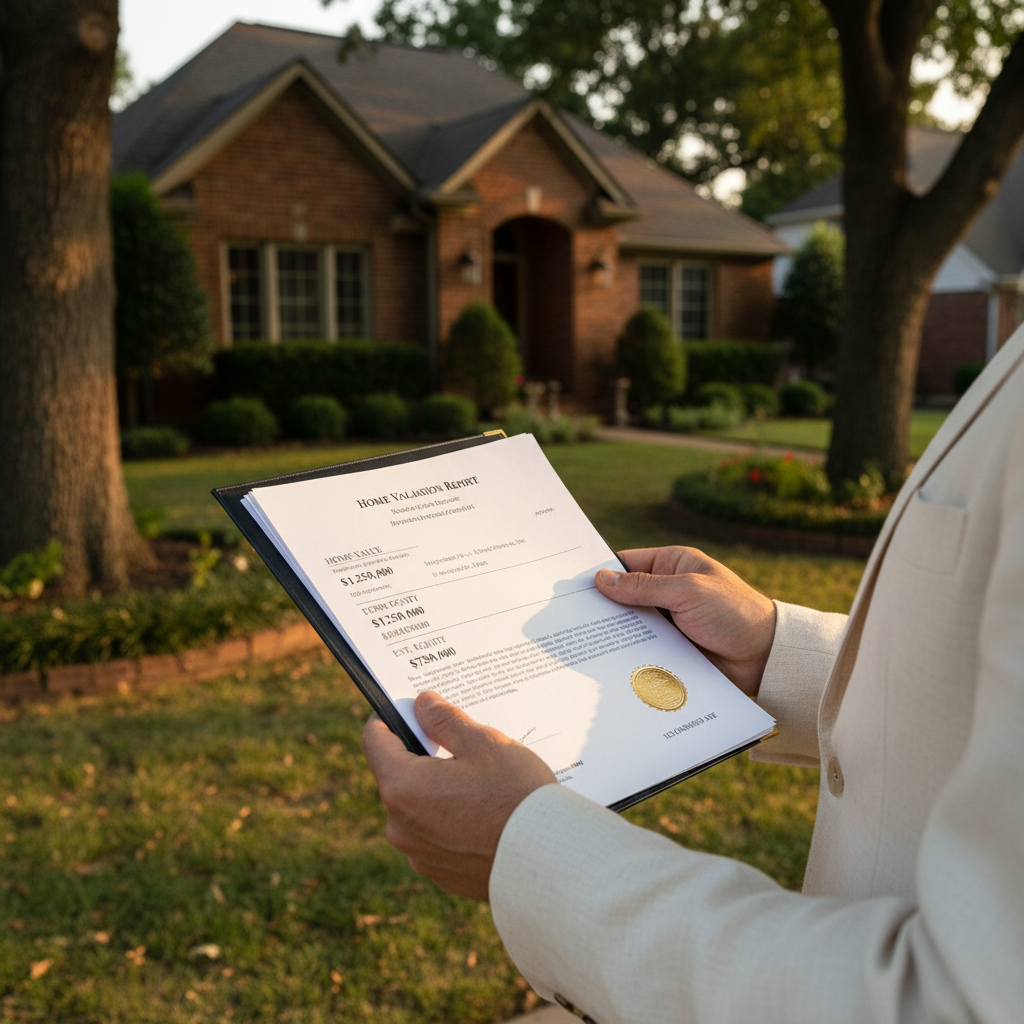
- Calculate how much equity you have in your home.
- Research different lenders and their terms.
By understanding these aspects, you can make an informed decision about pursuing a second mortgage.