
Understanding 2nd Mortgages: A Comprehensive Guide for Canadian Homeowners
SC
Understanding the intricacies of 2nd mortgages can be crucial for Canadian homeowners looking to leverage their property's equity. A second mortgage, also known as a home equity loan, allows you to borrow against the value of your home, providing a valuable financial resource.
What is a 2nd Mortgage?
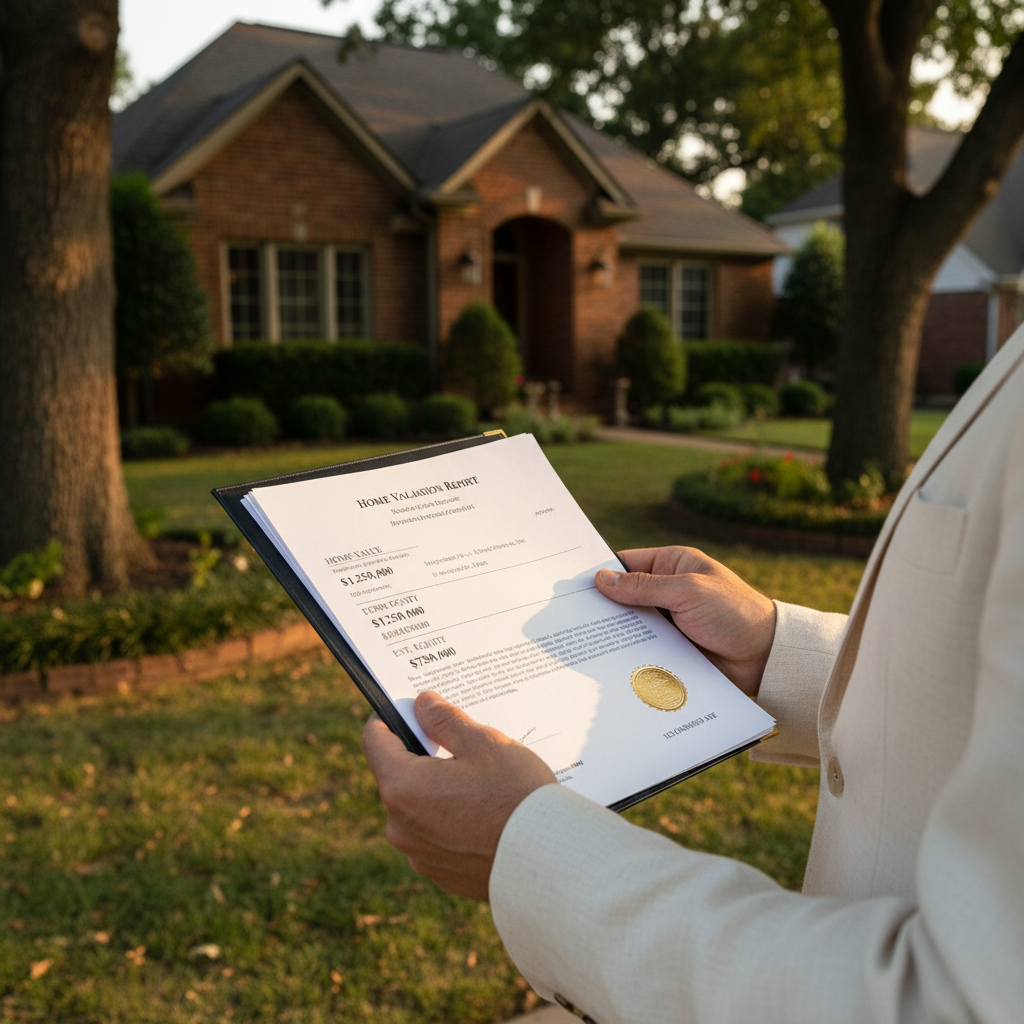
A second mortgage is a loan taken out on a property that already has a primary mortgage. Essentially, it allows homeowners to access the equity they have built in their home. It's important to note that this type of loan is secured by the property itself.
Second mortgages are typically used for specific financial needs such as home renovations, debt consolidation, or unexpected expenses. They can be an excellent option for accessing large sums of money at potentially lower interest rates compared to unsecured loans.

Types of 2nd Mortgages
There are generally two types of second mortgages available to Canadian homeowners: the home equity loan and the home equity line of credit (HELOC).
- Home Equity Loan: This provides a lump sum amount with a fixed interest rate and repayment terms.
- Home Equity Line of Credit (HELOC): This offers a revolving credit line that you can draw from as needed, similar to a credit card, with a variable interest rate.
Benefits of a 2nd Mortgage
One of the major benefits of a second mortgage is the ability to access substantial funds at a lower interest rate compared to personal loans or credit cards. This can be particularly advantageous for large projects like home improvements, which can further increase property value.

Additionally, second mortgages may offer tax benefits. In some cases, the interest paid on a second mortgage might be tax-deductible, though it’s wise to consult with a tax professional to understand the implications for your specific situation.
Risks and Considerations
While there are benefits, it’s crucial to be aware of the risks associated with second mortgages. The primary risk is the potential for foreclosure if you fail to make payments, as the loan is secured against your home. It’s essential to assess your financial stability before proceeding.
Moreover, because you are increasing your overall debt, it’s important to consider how this will affect your long-term financial goals and repayment capacity. Thoroughly reviewing your budget and consulting with a financial advisor can be helpful steps in this process.
How to Apply for a 2nd Mortgage
Applying for a second mortgage involves several steps. First, you’ll need to determine how much equity you have in your home. This can be calculated by subtracting the remaining balance on your primary mortgage from the current market value of your property.
- Contact multiple lenders to compare rates and terms.
- Prepare necessary documentation, including proof of income, property appraisal, and credit history.
- Submit your application and await approval.
By understanding these steps and carefully considering your options, you can make an informed decision about whether a second mortgage is right for you.