
The Advantages of 2nd Mortgages for Debt Consolidation
SC
Understanding 2nd Mortgages
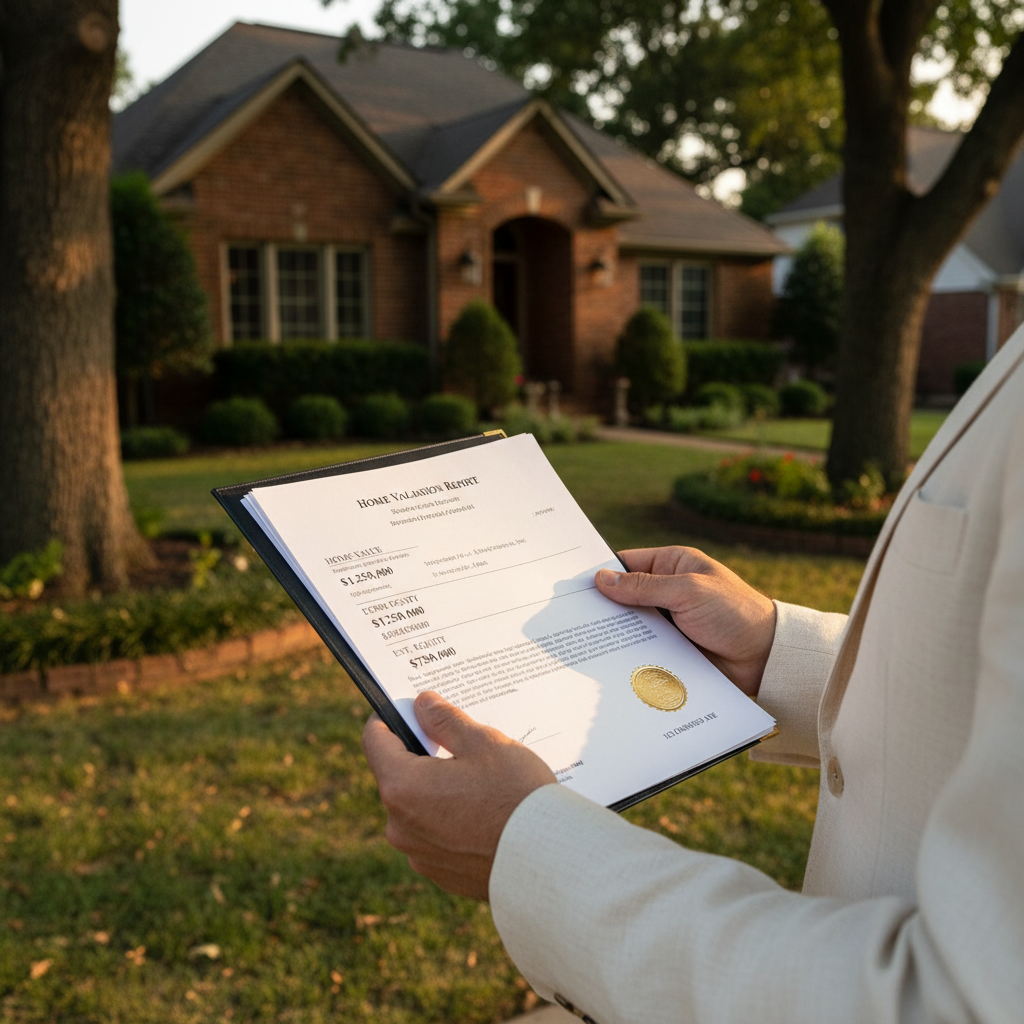
A second mortgage, often referred to as a home equity loan, is a loan taken out on a property that already has a primary mortgage. This type of loan allows homeowners to use their home equity to secure funds for various purposes, including debt consolidation. By leveraging the value of their home, individuals can access a substantial sum of money at potentially lower interest rates compared to other forms of debt.
With the rising cost of living and unexpected financial emergencies, many people find themselves juggling multiple debts. A second mortgage can provide a strategic solution to consolidate these debts, simplifying your financial situation and potentially saving money in the long run.
The Benefits of Debt Consolidation
Debt consolidation involves combining multiple debts into a single loan. This approach offers several advantages, especially when using a second mortgage:
- Lower Interest Rates: Second mortgages typically offer lower interest rates compared to credit cards and personal loans, making monthly payments more affordable.
- Single Monthly Payment: Managing one payment instead of several can reduce stress and help avoid missed payments.
- Improved Credit Score: Consolidating debt can positively impact your credit score by lowering your credit utilization ratio and improving your payment history.
Access to Larger Loan Amounts
One significant benefit of a second mortgage is the ability to access a larger loan amount. Since the loan is secured by your home, lenders are often willing to offer more money compared to unsecured loans. This can be particularly beneficial for those with significant debts to consolidate.

Considerations Before Taking a Second Mortgage
While a second mortgage can be a powerful tool for debt consolidation, it's essential to consider the potential risks. Since the loan is secured by your home, failure to make payments could result in foreclosure. Therefore, it’s crucial to evaluate your financial situation carefully and ensure that you can commit to the repayment terms.
Additionally, consider the long-term implications. While you might enjoy immediate relief from high-interest debt, extending payments over a longer period could lead to paying more in interest over time, even at a lower rate.

Steps to Take Before Applying
If you’re considering a second mortgage for debt consolidation, follow these steps to make an informed decision:
- Evaluate your current debts and interest rates.
- Assess your home equity to determine available loan amounts.
- Consult with a financial advisor to explore all options.
- Research and compare different lenders to find the best terms.
Conclusion
Second mortgages can be an effective solution for debt consolidation, offering lower interest rates and simplifying financial management. However, it's essential to approach this option with caution, considering both the benefits and risks involved. By planning carefully and seeking professional advice, you can leverage your home equity to achieve greater financial stability and peace of mind.