
How to Use a 2nd Mortgage for Home Renovations
SC
Understanding a Second Mortgage
A second mortgage is a loan that allows homeowners to borrow against the equity in their home. It is called a "second" mortgage because it is subordinate to the primary mortgage. Homeowners often use this option for major expenses, such as home renovations, because it offers access to a large sum of money with typically lower interest rates than other types of loans.

Why Choose a Second Mortgage for Renovations?
Opting for a second mortgage for home renovations can be an excellent financial decision. It allows you to invest in your home by enhancing its value and functionality. Moreover, the interest on a second mortgage may be tax-deductible, providing further financial benefits. This makes it a cost-effective way to fund improvements compared to high-interest credit cards or unsecured loans.
Determining Your Home’s Equity
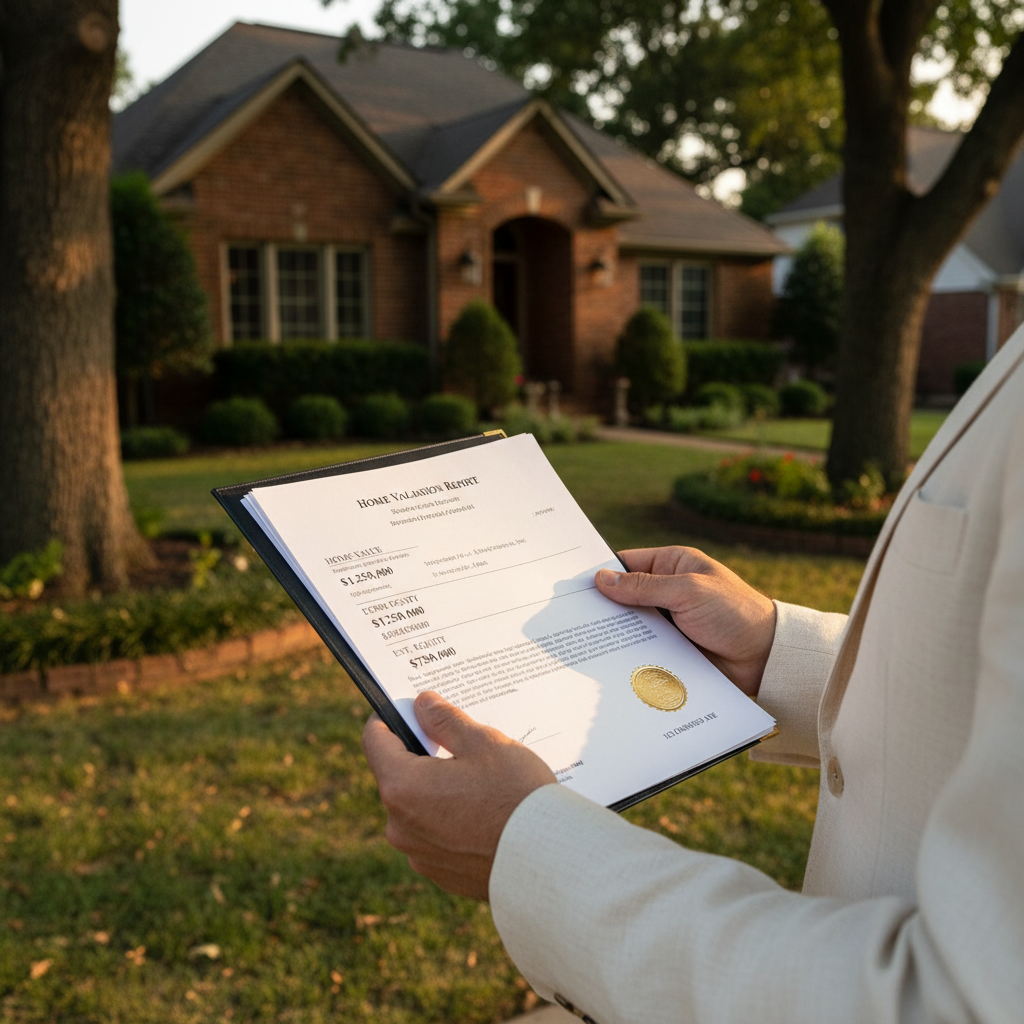
Before applying for a second mortgage, it's crucial to assess the equity in your home. Equity is the difference between your home's current market value and the outstanding balance on your mortgage. Lenders typically offer second mortgages up to 85% of your home’s equity. Calculating this will help you understand how much you can potentially borrow.
Steps to Calculate Home Equity
- Find out your home's current market value through a recent appraisal or comparable home sales in your area.
- Subtract the remaining balance of your primary mortgage from the market value.
- The result is your available home equity.
Applying for a Second Mortgage
Once you've determined your equity, the next step is to apply for a second mortgage. You'll need to gather necessary documents such as proof of income, tax returns, and details about your current mortgage. It's important to shop around and compare offers from various lenders to secure the best terms and interest rates.
Factors to Consider
When evaluating offers, consider the interest rate, loan term, and any additional fees. Some lenders may charge application fees, appraisal fees, or closing costs. It’s essential to understand these costs and how they impact the overall expense of your renovation project.
Planning Your Renovations
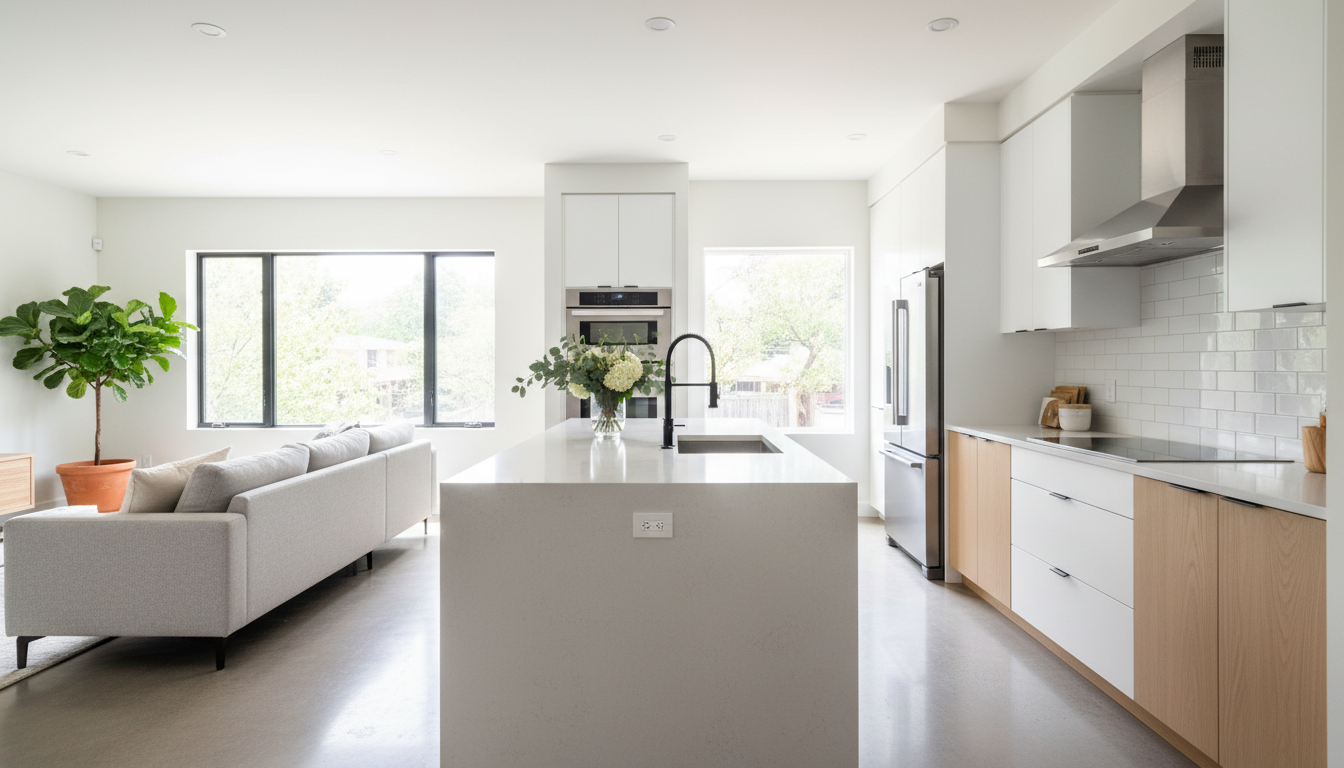
With the funds secured, it’s time to plan your renovations. Prioritize projects that will add the most value to your home. Common upgrades include kitchen remodels, bathroom renovations, and energy-efficient improvements. Create a detailed budget to ensure that you stay within your financial limits.
Working with Contractors
Hiring reputable contractors is crucial for the success of your renovation project. Get multiple estimates and check references before making a decision. Clear communication about your budget and expectations can prevent misunderstandings and ensure a smooth renovation process.
Benefits of Renovating with a Second Mortgage
Using a second mortgage for home renovations not only enhances your living space but also increases your property's value. This investment can provide a substantial return if you decide to sell your home in the future. Additionally, the improvements can enhance your quality of life by creating a more comfortable and functional living environment.
In conclusion, a second mortgage can be a smart financial tool for homeowners looking to make significant improvements to their property. By understanding the process and making informed decisions, you can effectively use this option to achieve your renovation goals.