
How to Apply for a 2nd Mortgage in Canada: Step-by-Step Guide
SC
Understanding a Second Mortgage
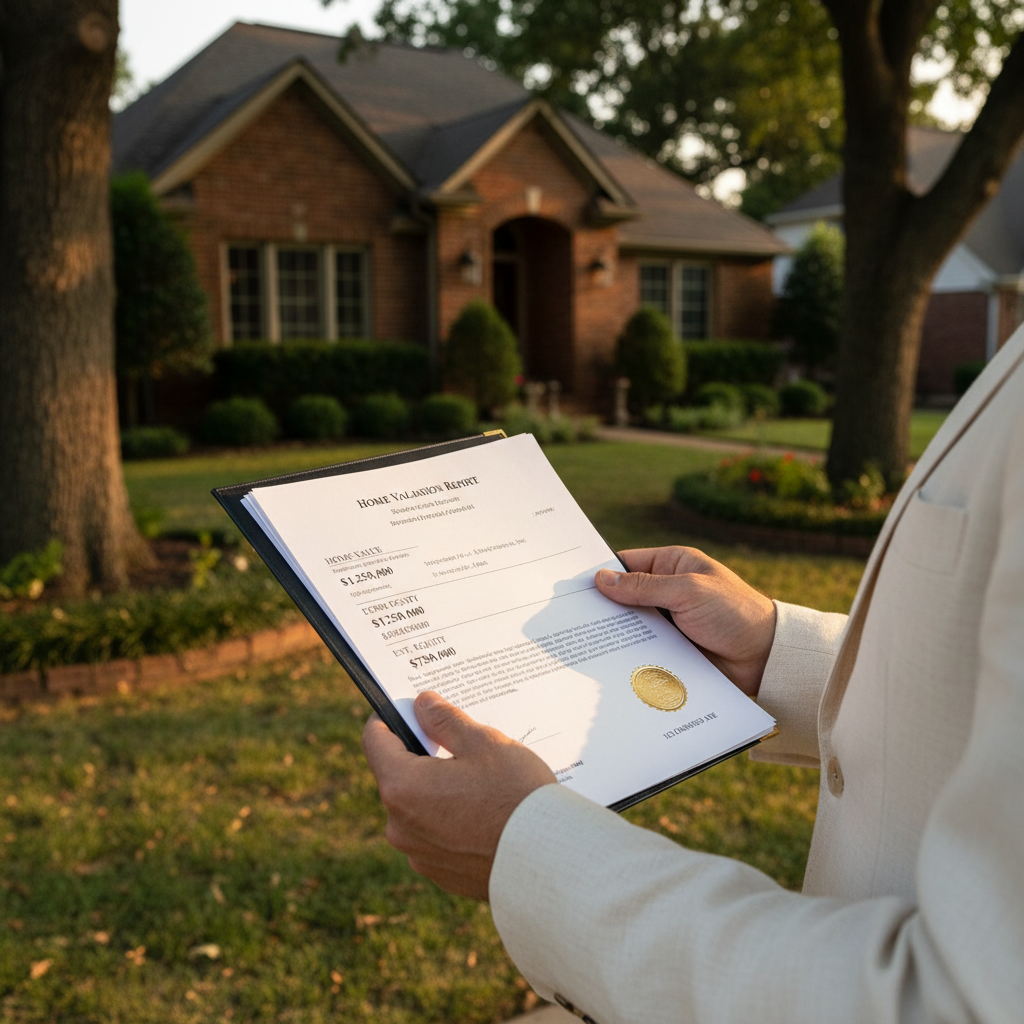
A second mortgage is a loan taken out on a property that already has an existing mortgage. It allows homeowners to access the equity built up in their homes. This can be an attractive option for those looking to fund home renovations, consolidate debt, or cover other expenses. However, it's essential to understand the implications and process involved.
Assessing Your Financial Situation
Before applying for a second mortgage, evaluate your financial health. Consider your current debts, income, and expenses. It's crucial to ensure that you can handle the additional loan payments without straining your finances. Lenders will also assess your credit score and debt-to-income ratio to determine your eligibility.
Having a clear understanding of your financial standing can help you decide if a second mortgage is the right choice for you. Being prepared with documentation such as income statements and credit reports can streamline the application process.
Choosing the Right Lender
There are various lenders in Canada who offer second mortgage options, including banks and private lenders. Research and compare their terms, interest rates, and fees. Consider seeking recommendations from friends or financial advisors to find a reliable lender that suits your needs.

Application Process
Once you've chosen a lender, it's time to start the application process. Here’s a step-by-step guide:
- Gather Documentation: Prepare necessary documents such as proof of income, credit report, and details of your existing mortgage.
- Complete the Application: Fill out the application form provided by the lender, ensuring all information is accurate.
- Submit for Approval: Submit your application and await the lender's approval. This process may involve an appraisal of your property.
Understanding the Terms and Conditions
Once approved, you'll receive an offer outlining the terms and conditions of your second mortgage. Carefully review the interest rate, repayment schedule, and any associated fees. It's essential to fully understand these terms to avoid any surprises in the future.

Finalizing the Loan
If you agree with the terms, you’ll need to sign the loan agreement. This step may require a lawyer or notary to witness the signing, depending on the lender's requirements. Ensure you keep copies of all documents for your records.
Once the paperwork is complete, the lender will disburse the funds. You can then use the money as planned, whether it's for renovations, debt consolidation, or other expenses.
Repayment and Managing Your Loan
It's crucial to manage your second mortgage responsibly. Make timely payments to avoid penalties or negative impacts on your credit score. Consider setting up automatic payments to ensure consistency.

Regularly review your financial situation to ensure that your second mortgage remains a beneficial financial tool. If you face difficulties in making payments, communicate with your lender to explore possible solutions.