
FAQs About Second Mortgages: Answers to Your Most Pressing Questions
SC
What Is a Second Mortgage?
A second mortgage is a type of loan that allows homeowners to borrow against the equity in their home. This can be a useful way to access funds for major expenses, such as home renovations, education, or debt consolidation. The term "second" comes from the fact that this loan is subordinate to the primary mortgage on the property.
How Does a Second Mortgage Work?
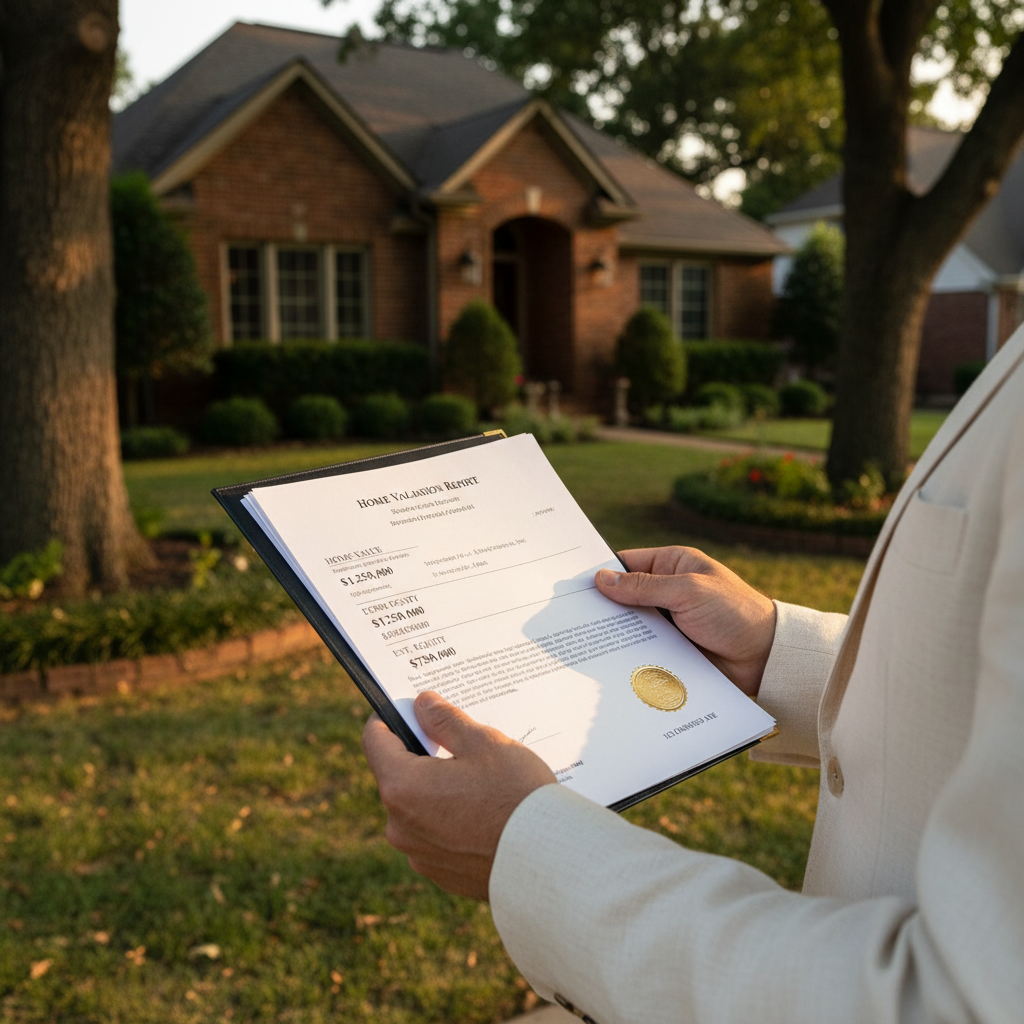
When you take out a second mortgage, you're essentially using your home as collateral for the loan. This means that if you fail to repay the loan, the lender has the right to foreclose on your home. Second mortgages typically have a fixed interest rate and are paid off over a set period, similar to the primary mortgage.
There are two main types of second mortgages: home equity loans and home equity lines of credit (HELOCs). A home equity loan provides a lump sum of money upfront, while a HELOC allows you to draw from a line of credit as needed.
Why Consider a Second Mortgage?
Homeowners consider second mortgages for various reasons. One of the primary benefits is the ability to access a large sum of money relatively quickly. Since the loan is secured by your home, interest rates are often lower than those of personal loans or credit cards.

What Are the Risks Involved?
While second mortgages can be beneficial, they come with risks. The most significant risk is the potential loss of your home if you default on the loan. Additionally, taking on a second mortgage increases your overall debt burden, which can be challenging to manage if your financial circumstances change.
It's essential to carefully evaluate your financial situation and consider whether a second mortgage is the right choice for you. Consulting with a financial advisor can be a wise step in making this decision.
How to Qualify for a Second Mortgage
Qualifying for a second mortgage generally requires a good credit score, a stable income, and sufficient home equity. Lenders will assess your debt-to-income ratio to ensure you can manage both your first and second mortgage payments.
What Costs Are Involved?
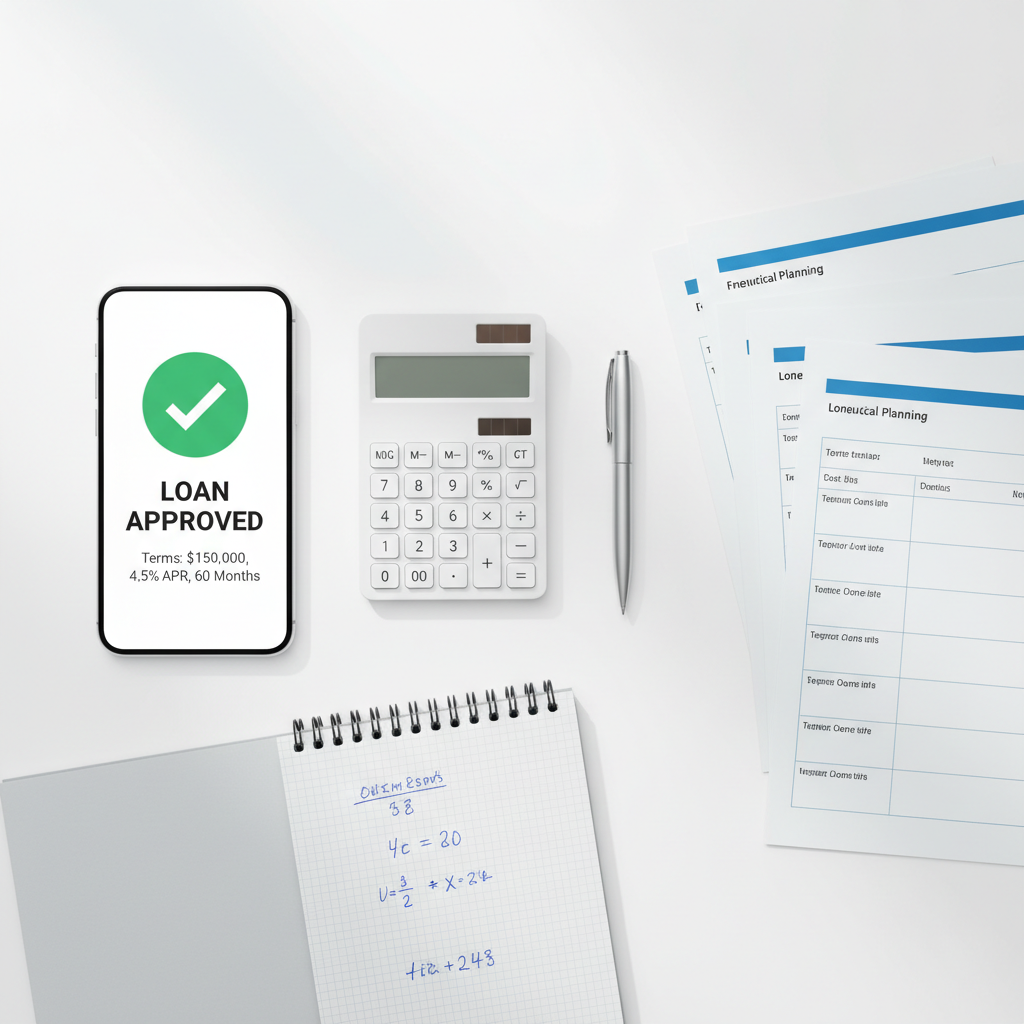
Obtaining a second mortgage involves several costs. These may include appraisal fees, application fees, and closing costs. It's crucial to factor in these expenses when deciding whether a second mortgage is financially viable for you.
Make sure to shop around and compare offers from different lenders to find the best terms and interest rates.
Final Thoughts
Second mortgages can be a valuable financial tool when used responsibly. By understanding the ins and outs of how they work, the potential risks, and the costs involved, you can make an informed decision that aligns with your financial goals.
Whether you're looking to renovate your home, pay for education, or consolidate debt, a second mortgage might be the solution you need. Always consider seeking professional advice to ensure that this option is the best fit for your financial situation.